fruit-tree
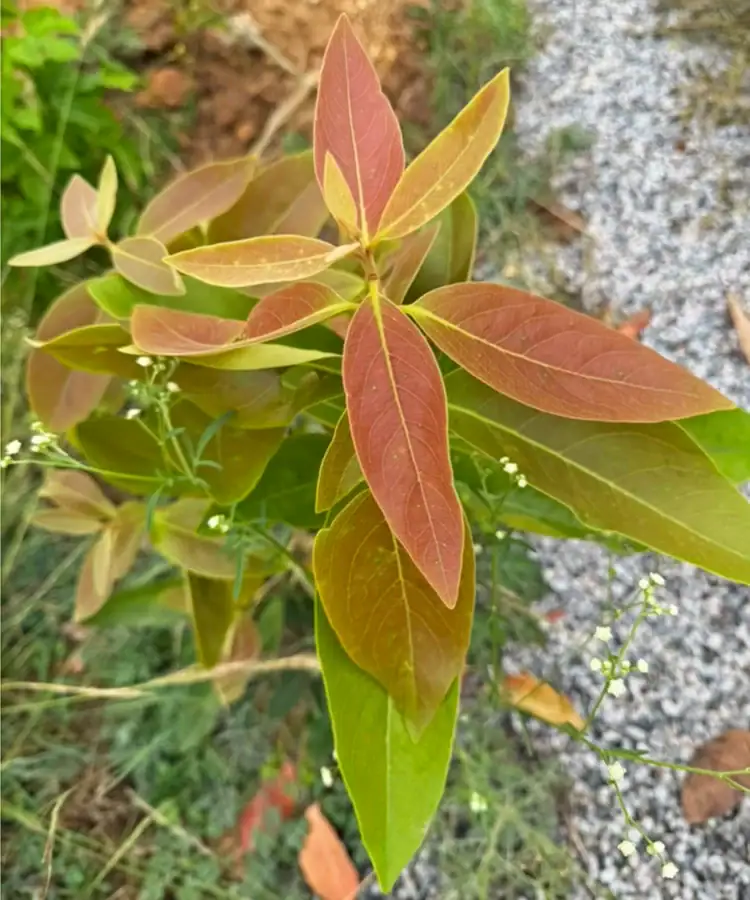
Avocado Persea americana
The reddish-brown hue of the topmost leaves is a natural feature of a young plant and will transition to a darker green as they mature.
A growing record of the plants, trees and edibles being cultivated at the farm in Nelamangala — written down, season by season, as the land fills out.
The reddish-brown hue of the topmost leaves is a natural feature of a young plant and will transition to a darker green as they mature.
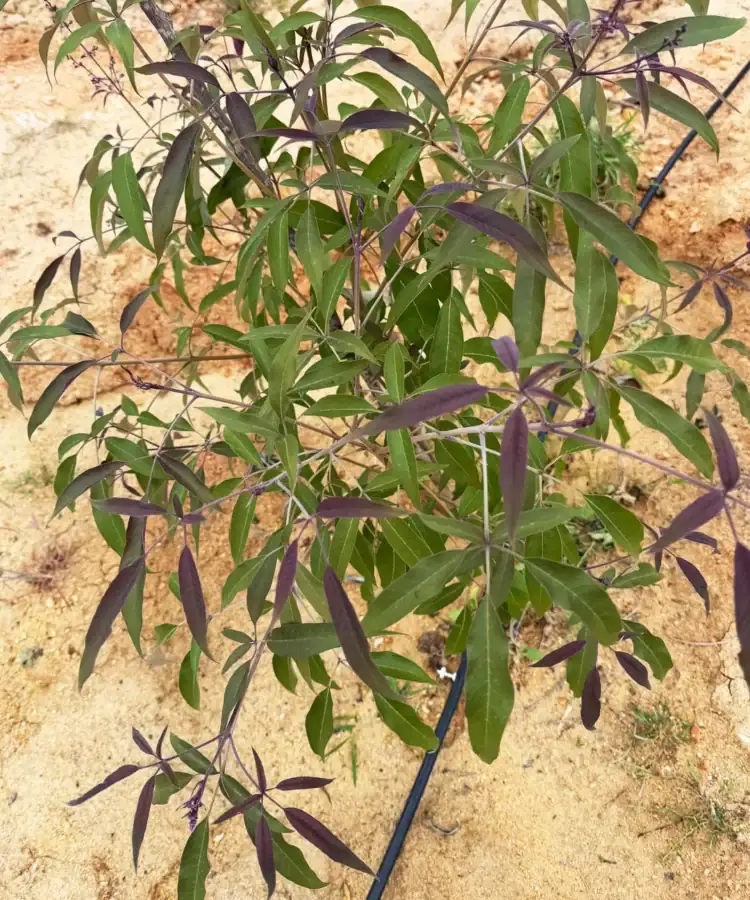
In Ayurveda, its leaves, flowers and roots are used to treat a wide range of conditions such as skin problems, rheumatism, joint inflammation, coughs and asthma.
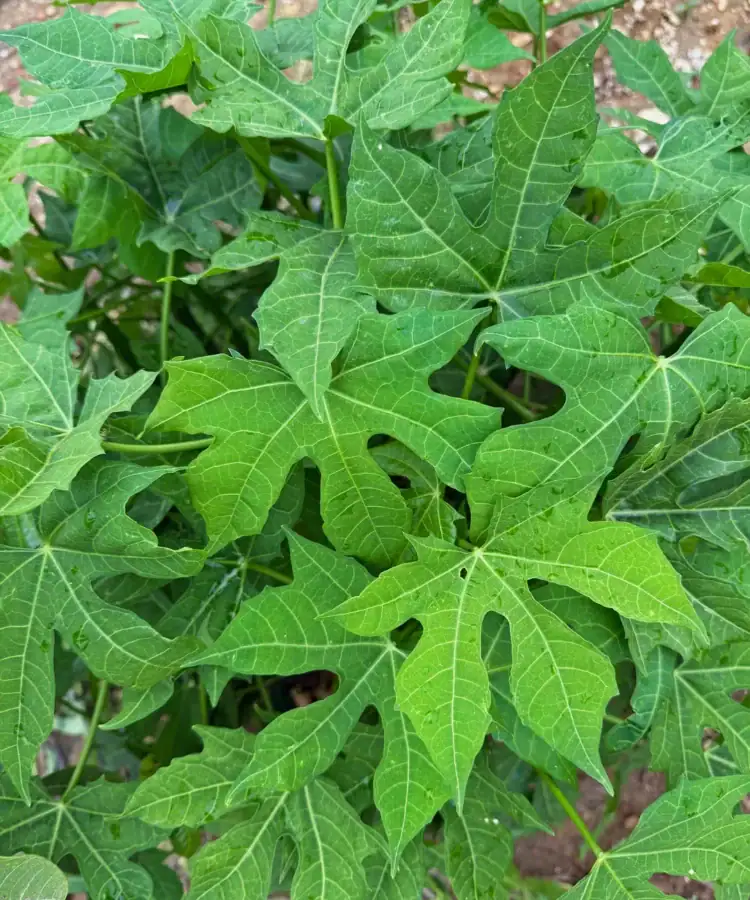
Considered a "superfood" due to its high content of protein, calcium, iron, and vitamins A & C. Its leaves often resemble those of a papaya.

Perennial tropical plant with massive, heart-shaped leaves. Cultivated for its edible starchy root and leaves, both of which are common in various cuisines.

This tropical evergreen tree can live for over 100 years. The fruit is a known source of iron, and its seeds are used to manage blood sugar levels

This can grow up to 8 meters tall. As the name suggests, in India, the red powder from its seeds is used traditionally for vermilion.

In Ayurveda, considered to be a brain stimulant used to enhance memory. Possesses anti-bacterial properties — used to treat fever and small wounds.
"The dominant species of trees included the Indian Kino tree, Jamun, Palash, Banyan, Honge, Wild Date palm, Mysore fig, White-barked Acacia and Amaltas."
Read about the bioregion in the Journal